Wood Rot Removal in Alpharetta, GA
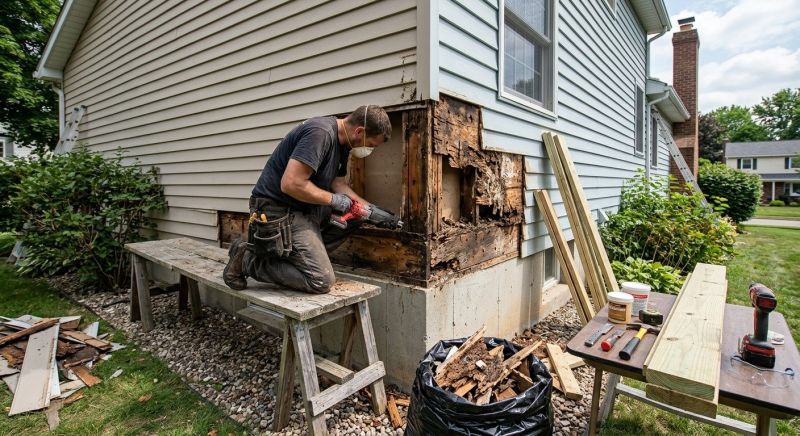
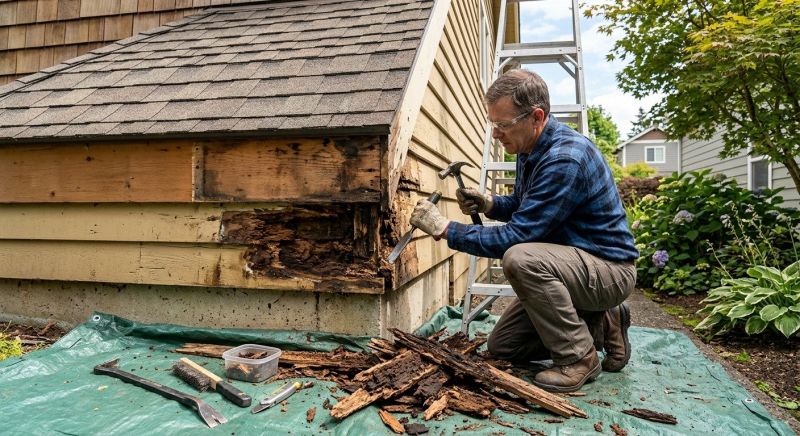
Wood rot removal services focus on identifying and eliminating decayed or damaged wood caused by moisture, fungi, or pests. These services typically cover areas such as decks, porches, siding, fences, window frames, and door jams. Property owners usually want to understand the extent of the rot, the methods used for removal, and whether repairs or replacements are necessary to restore structural integrity and prevent further damage.
Before requesting wood rot removal, homeowners often seek information about the signs of wood decay, including soft or discolored wood, sagging structures, or visible mold. Clarifying the scope of work, including whether affected wood will be repaired or replaced, helps ensure that the project addresses the specific needs of the property. Proper assessment and treatment are essential to maintaining the safety and appearance of the home’s exterior and structural elements.
Many property owners in Alpharetta, GA look into Wood Rot Removal for repairs, replacements, upgrades, and appearance-related improvements.
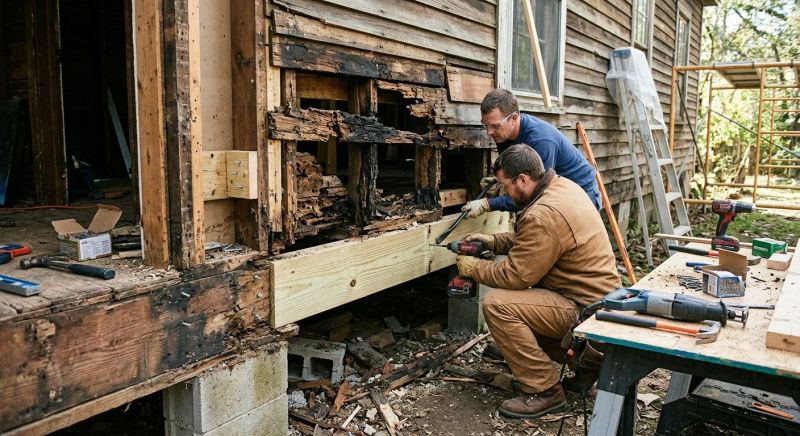
Identifying Wood Decay
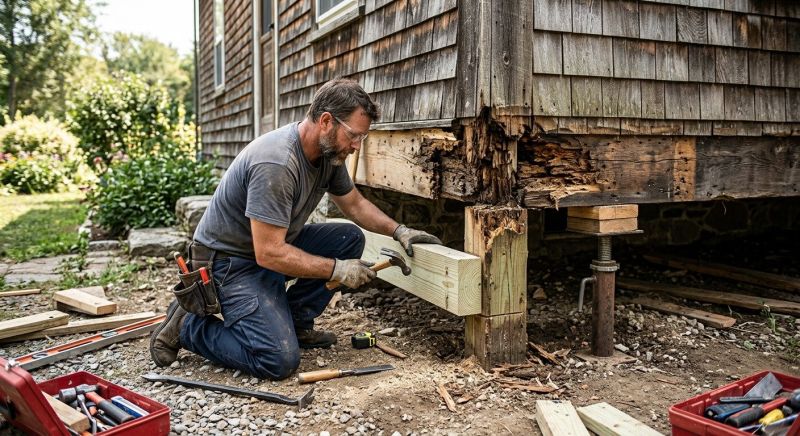
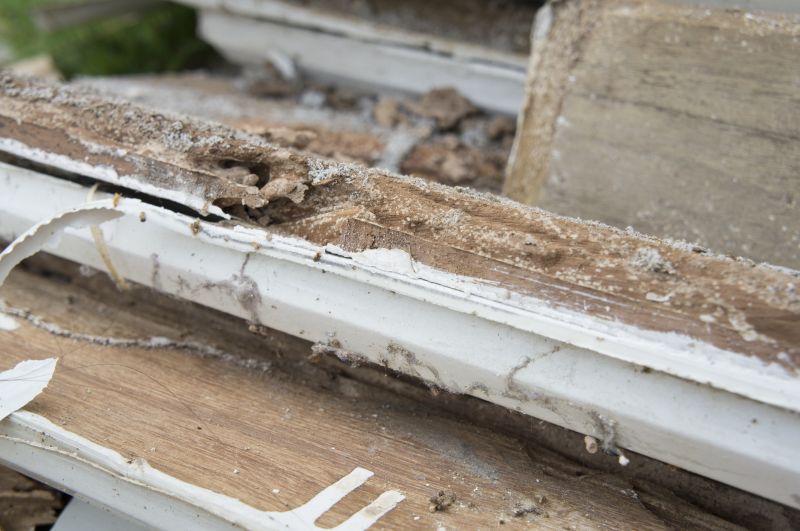
Signs of wood rot often include soft, discolored, or crumbling wood in residential structures in alpharetta.
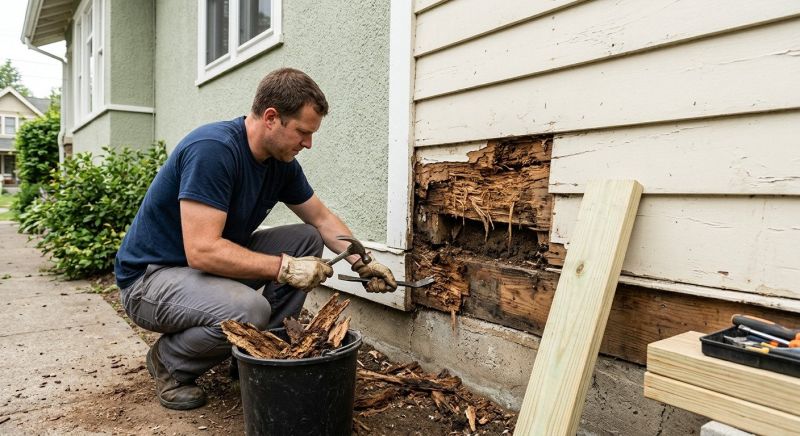
Common Causes Of Wood Rot
Excess moisture, leaks, and poor ventilation can lead to wood deterioration in homes and buildings nearby.
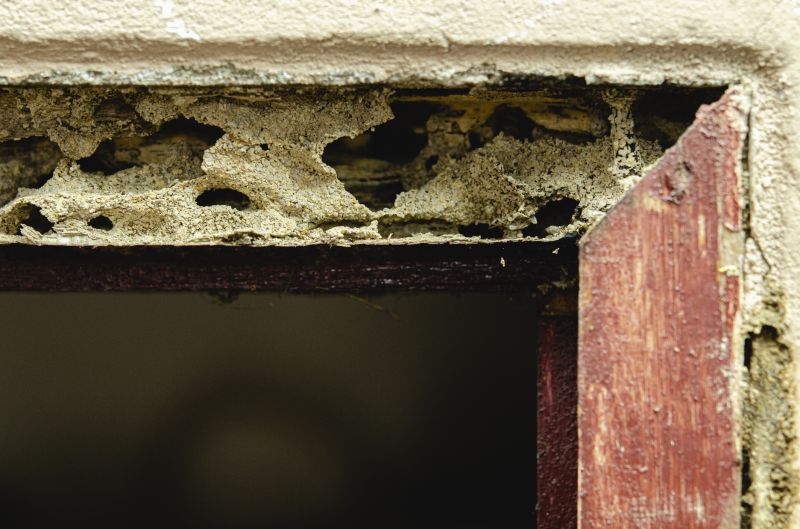
Preventative Maintenance Tips
Regular inspections and prompt repairs can help protect properties in alpharetta from extensive wood damage.
Wood Rot Removal in Alpharetta, GA
Wood rot removal services focus on identifying and eliminating decayed or damaged wood caused by moisture, fungi, or pests. These services typically cover areas such as decks, porches, siding, fences, window frames, and door jams. Property owners usually want to understand the extent of the rot, the methods used for removal, and whether repairs or replacements are necessary to restore structural integrity and prevent further damage.
Before requesting wood rot removal, homeowners often seek information about the signs of wood decay, including soft or discolored wood, sagging structures, or visible mold. Clarifying the scope of work, including whether affected wood will be repaired or replaced, helps ensure that the project addresses the specific needs of the property. Proper assessment and treatment are essential to maintaining the safety and appearance of the home’s exterior and structural elements.
Many property owners in Alpharetta, GA look into Wood Rot Removal for repairs, replacements, upgrades, and appearance-related improvements.
Common Wood Rot Removal Jobs
Wood Rot Repair - replacing or treating decayed wood to restore structural integrity.
Deck and Porch Restoration - removing rotten wood to prevent further damage and maintain safety.
Siding and Fascia Replacement - replacing compromised wood to protect against moisture intrusion.
Fence Repair - restoring rotted fence posts and panels for durability and appearance.
Foundation and Support Beam Repair - addressing wood rot that threatens the stability of supporting structures.
Roof and Eaves Treatment - eliminating rot in eaves and roof structures to prevent leaks and damage.
Wood Rot Removal Questions
What causes wood rot on properties? Wood rot is typically caused by prolonged exposure to moisture, often from leaks, poor drainage, or high humidity, leading to decay and deterioration of wooden structures.
How can I identify wood rot? Signs include soft or spongy wood, discoloration, mold growth, and peeling paint or wallpaper near affected areas.
What types of projects require wood rot removal? Common projects include repairing or replacing damaged porch posts, window frames, siding, and deck supports affected by decay.
Why is timely removal of wood rot important? Removing wood rot helps prevent structural damage, maintains property integrity, and reduces the risk of further decay or pest infestation.
Request Wood Rot Removal in Alpharetta, GA
Use the quote form on this page to share the basics of your project and request more information for the type of work you need.